

EU Commission Simplifies EU Taxonomy Criteria to Classify Sustainable Activities
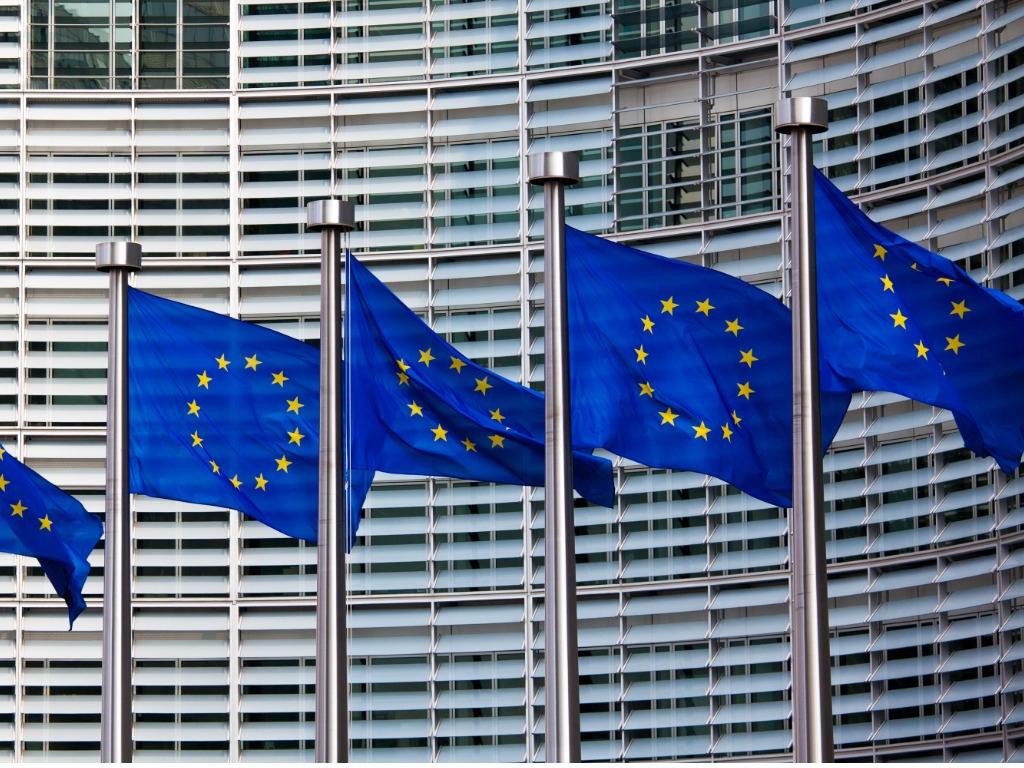
The European Commission announced the adoption of two new delegated acts aimed at simplifying requirements for companies to demonstrate that activities and projects can be classified as environmentally sustainable under the EU Taxonomy, the framework designed to help facilitate access to sustainability-labeled financing and investment from sustainability-focused funds.
The EU Taxonomy, part of the EU Sustainable Finance Framework, is aimed at helping to facilitate the flow of capital towards activities that contribute to the EU’s sustainability goals. The taxonomy establishes a classification system for economic activities that play key roles in contributing to a series of defined environmental objectives, with criteria for inclusion requiring an activity to contribute substantially to at least one of the objectives, and to do no significant harm (DNSH) to the other objectives.
The EU Taxonomy regulation entered into force in 2020, and since 2021 capital investments into taxonomy‑aligned activities have amounted to €1.2 trillion. The new revisions follow a set of significant simplification measures implemented in the taxonomy as part of 2025’s Omnibus I process, which included dramatically reducing the number of datapoints in the taxonomy’s reporting templates, and exempting companies from assessing taxonomy alignment for non-material activities.
According to the Commission, the new delegated acts, which include revisions to the Climate and Environmental Delegated Acts, target areas in which experience has indicated that requirements are overly complex, duplicative or difficult to apply consistently, with the revisions designed to make the taxonomy’s criteria clearer and easier to apply by removing unnecessary or duplicative requirements, aligning them with updated EU legislation and technological developments, and clarifying how companies can demonstrate compliance.
The new delegated acts introduce a wide range of simplification measures, spanning Taxonomy criteria for activities in sectors including forestry, manufacturing, energy, transport, construction and real estate, as well as cross-sector changes aimed at making it easier for companies to demonstrate compliance with the Taxonomy’s “Do No Significant Harm” (DNSH) criteria.
Examples of the revisions introduced by the Commission include expanding the criteria for building renovations to qualify as sustainable by allowing for an improvement of two energy performance certificate (EPC) classes, exempting the renovation of individual homes and apartments from circular economy and certain pollution prevention requirements, introducing greater flexibility in physical climate risk assessments and exempting mobile assets from such assessments, and enabling companies to demonstrate compliance with water and biodiversity protection criteria through existing environmental permits and other evidence of regulatory compliance.
The revised delegated acts will be submitted for a four-month scrutiny period by the EU Parliament and Council, with the changes anticipated to begin applying from January 1, 2028.
Click here to view the delegated acts.